
Du Fu
Part 1.

Wars. Power hungry oligarchs.
Kings with absolute power making decisions that cause families to splinter.
Death-rattling hunger, children skin and bones.
War-lords in the distance. Nothing makes sense to poor farmers, forced into leaving their ancestral lands, watching their children die before them.
Sound familiar? This is the Tang dynasty, during the An Lushan rebellion.During times of war and invasion, when the whole world seems to have gone mad, people do what they can to survive.
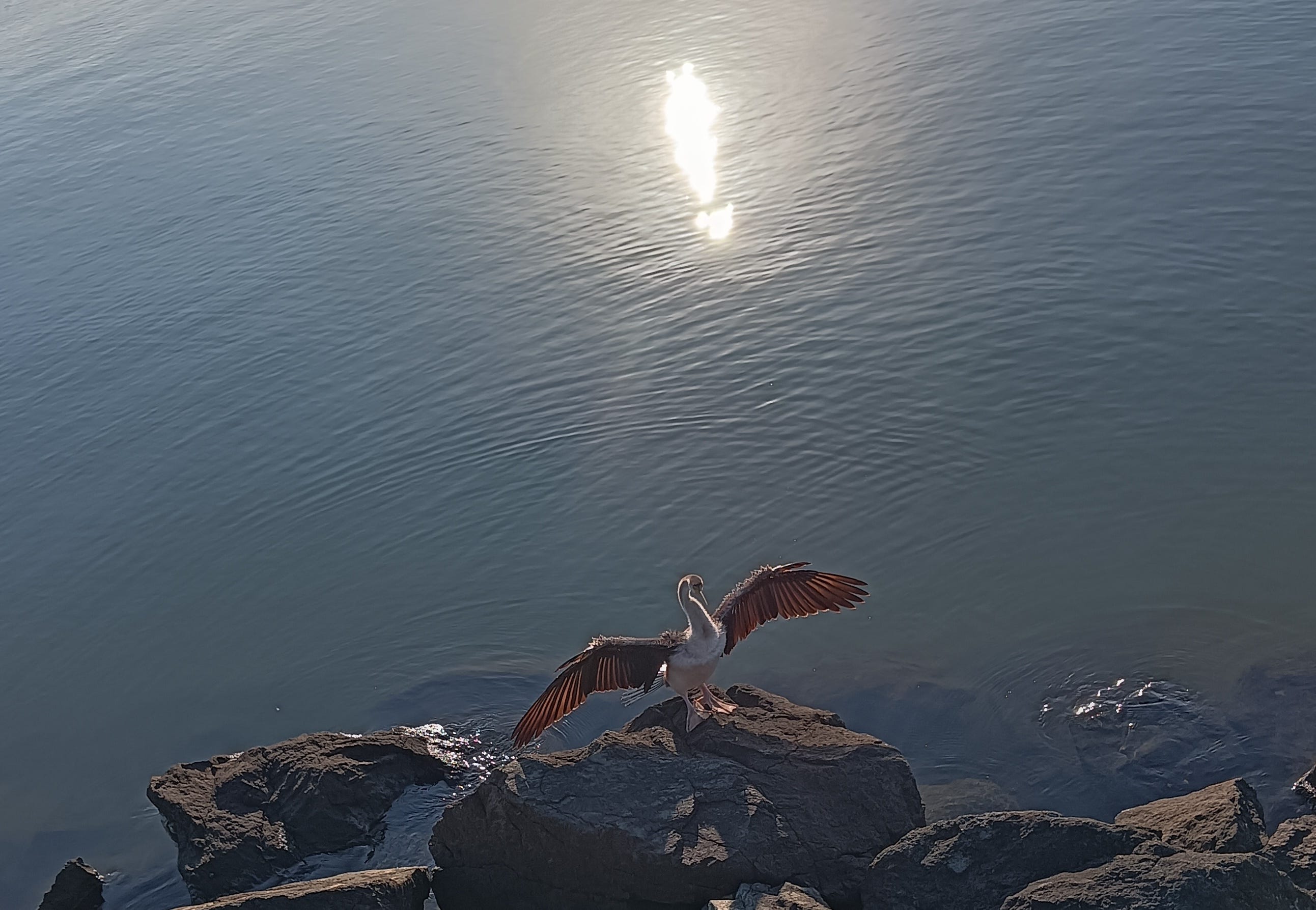
We look to nature for inspiration during times of stress, the subtle beauty of a rose in bloom, the equiangular spiralled curve of a conch, the way a heron stands still on rock, for countless minutes, hours. We breathe deep in forests, or by the ocean.
And we take refuge in creative endeavours, especially those that have lasted centuries - Shakespeare’s sonnets still inspire.
Then there’s Du Fu.
The man knows trouble like he knows his right hand. He lived through wars, poverty, constant illness, and trekked for months across the Sichuanese countryside with his young family by his side, looking for a safe place to settle.
Where other people might fill the bags on their back with rice, or potatoes, Du Fu filled his with scrolls containing his collected works. His poems, all 1400 of them, are left to posterity, because, although he was mostly unrecognised during his lifetime, he carried them with him through war and famine.
His sorrow is profound, his trials many, but he finds salvation in poetry, and reading his carefully composed words, so do we.
I wouldn’t be the first person to find Du Fu’s poetry a source of strength during difficult times. His 20th Century biographer, William Hung, described how he used Du Fu poems to survive Japanese imprisonment during World War II.
Amongst the bloody description of battles and battalions, there are the nature poems, the metric description of rural life.
Rice harvested, the clouds and waters are left bare,
the level stream faces Stonegate.
This is Stephen Owen’s translation. (Here, all the translations are his.) Owen did a remarkable thing. Not only did he translate the entirety of Du Fu’s opus, he made his work publicly available. All you need is an internet connection. Translating such a magnus opus is no small feat, but Owen also included extensive biographical data, so the reader gets a sense of time and place when Du Fu wrote. Translating such a large collection is a mammoth work. Thank you, Stephen Owen.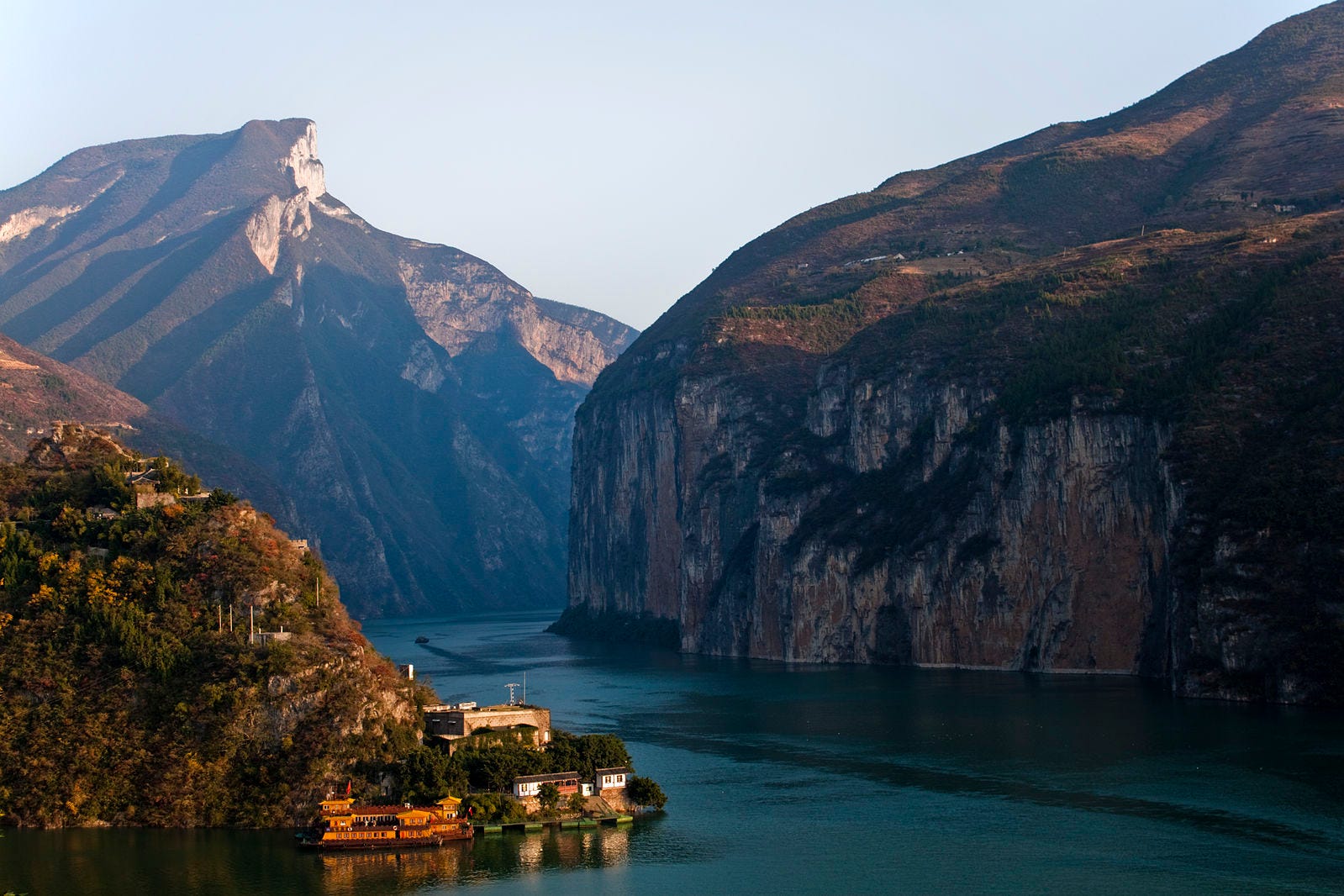
Yet the most poignant of all of Du Fu’s work is when he talks about his family, especially his children.
His collected works are spotted with poems dedicated to his wife, his son, his daughters, his nephew, his sister, his brother, his mother. When he mourns in regulated verse that he couldn’t bury his mother, his agony becomes ours, and eases our own angst.
Du Fu loved his children. In Recalling My Baby Son, his pride in his young child shines
In spring Jizi is still parted from me,
songs of orioles now are thick in the warmth.
Since parting I am shocked by the season’s change,
with whom can I talk about how clever you are?
Recalling him, I’m so sad I can only sleep,
sunning my back on the porch under clear skies.
The proud father misses his son and wants to celebrate his success, yet away from his family, he is struck with ennui.
Two poems later, in Owen’s edition, is this
Jizi is a fine boy,
last year was when he learned to speak.
He asked the names of our visitors
and was able to recite his old man’s poems.
Du Fu titles this poem Expressing What Has Stirred Me, clearly proud of his young son, whom he yearns to see. The poem ends with these lines
If only I can get back and don’t lose him,
I wouldn’t ever put off the day to see him.
He is travelling alone at this point, and while he misses his family, he is glad they are safe. He arranged for them to be taken beyond the front.
My wife and children lie beyond military forts
let us drop that question, I won’t speak of it.
but still, it’s a tragic time and he can’t help but write about it.
A famine year, my sons and daughters grow thin
on the twilight road my tears fall.
Du Fu’s profound sorrow is heart-breaking - he is not afraid to write of his tears.
He is stuck in Chang’an, and worries about his family and the soldiers at the front.
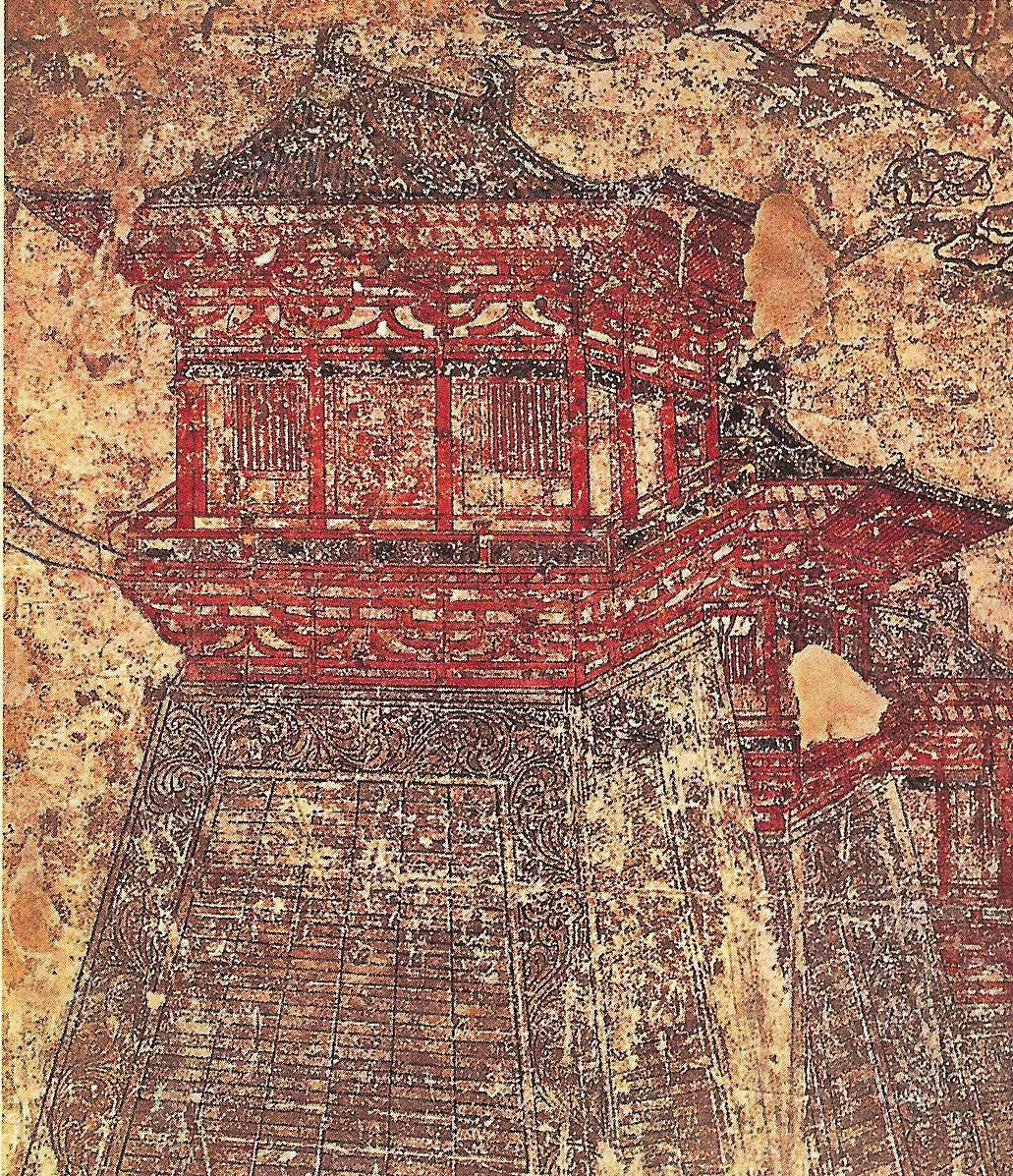
How far away are the five fortress cities,
far, far, beyond the Yellow River’s waters.
The frontier troops have all gone east on campaign,
in the fortresses are only hawthorns and briars.
Thankfully, Du Fu is not always sad. He visits his friend, Zan Gong the monk, in the Great Cloud temple in Chang’an. His friend is someone with whom he can share his cares
We have clasped arms for many a day,
so we unburden our feelings with no polite phrases.
Du Fu is rested here.
My mind here finds what suits me,
I naturally walk slowly beside the flowers.
He wrote four poems at this Buddhist temple, and for a moment, seems happy
Flowers blanket the path, stuffing it full,
swaying in breeze, willows dangle on the pavements.

Lamplight shines on sleeplessness,
the mind is clear, I smell wondrous scents.
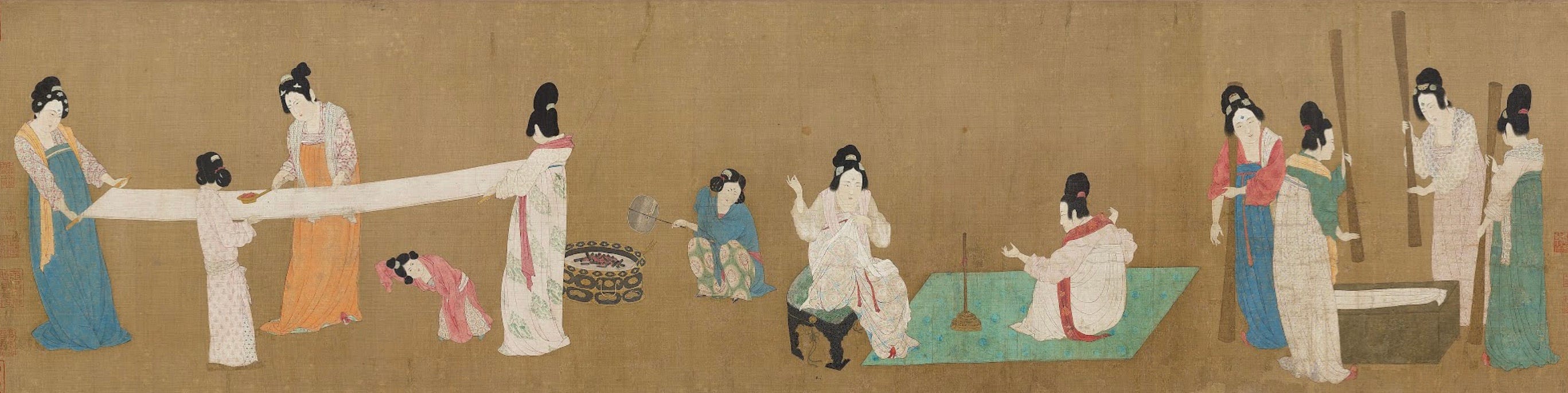
When the An Lushan rebellion broke out, Du Fu composed a lengthy poem, which lists ancient heroic mythical kings and invokes goddesses, but recalls that
silk bolts apportioned in the royal court
came first from the homes of poor women.
and
Whips flogged their menfolk,
gathering taxes to present to the palace.
Du Fu keeps walking, and keeps writing.
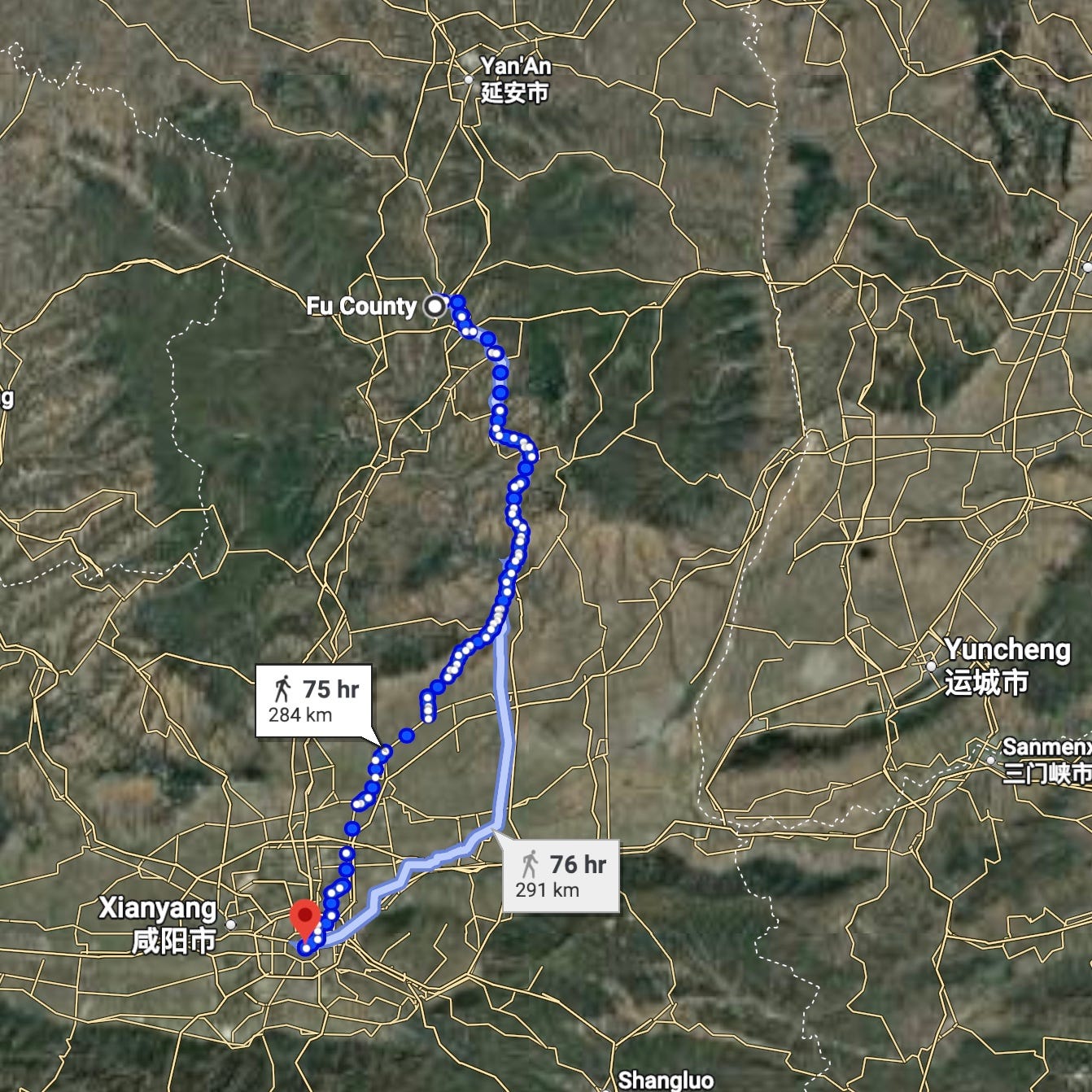
My northward cart came where the Jing meets the Wei,
 at the official crossing I again changed my track.
It’s a treacherous road.
Massed ice floes were coming down from the west,
looming high as far as the eye could see.
Despite the rough terrain, Du Fu is thinking only of his family.
We were lucky the bridge had not yet collapsed,
yet the sound of its crossbeams creaked and groaned.
Travellers held hands to help each other over
if the river grew broader, we could not cross.
My wife was in a different county,
ten mouths separated from me by winds and snow.
Who could go long without checking on them?
I hoped to go share their hunger and thirst.
Du Fu is desperate to get back to his family. He has been walking for days, hungry and exhausted. In Part Two, we will see what happens when Du Fu arrives home. We can imagine how much he was anticipating seeing his family and hugging his beloved children.
Part Two can be found here.
Wonderful!
Thanks for sharing these poems, so fascinating.